



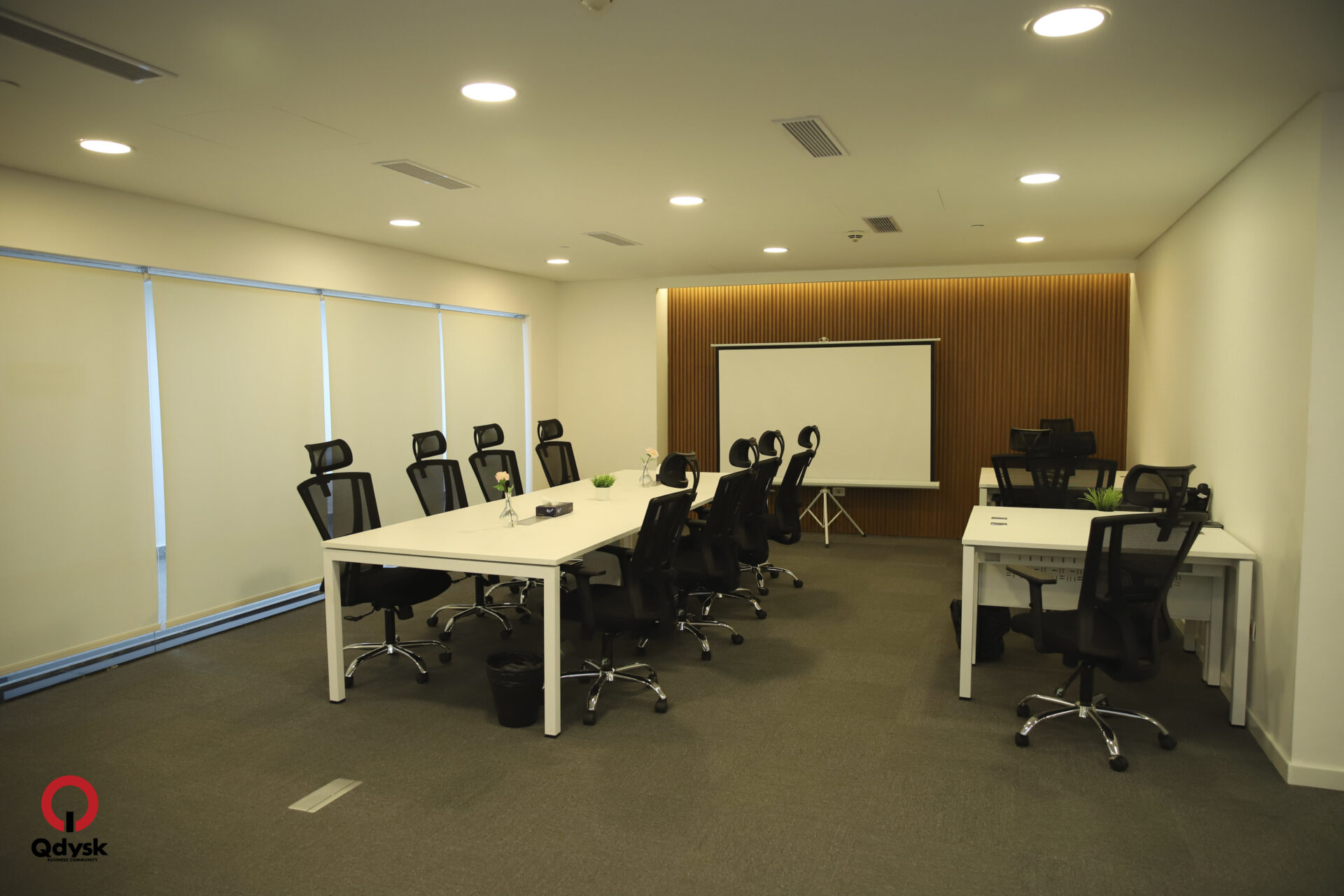
You need a private space for an interview, client presentation, or team workshop. Then the venue asks a simple question: do you need a conference room or a meeting room?
The two terms are often used interchangeably, but they can describe different spaces. A conference room usually suits larger or more formal sessions, while a meeting room often works better for smaller discussions and everyday business needs.
However, the name alone should not decide your booking. When comparing a conference room vs meeting room, focus on the number of attendees, the purpose of the session, the room layout, and the equipment you need.
Quick Answer: A meeting room is typically best for small discussions, interviews, and private meetings. A conference room is usually better for larger groups, presentations, workshops, and formal business sessions.
Conference Room vs Meeting Room: What Is the Difference?
There is no universal rule that separates a conference room from a meeting room. Each venue may use the terms differently.
In general, a conference room is designed for structured sessions that involve more attendees, formal discussion, or a presentation. A meeting room is usually smaller and more suitable for focused conversations, interviews, private calls, or short team sessions.
The practical differences usually look like this:
| Factor | Meeting Room | Conference Room |
| Main purpose | Discussions, interviews, reviews, and private calls | Presentations, workshops, training, and formal discussions |
| Group size | Usually smaller groups | Usually larger groups |
| Room layout | Compact and simple | More structured, often boardroom-style |
| Presentation needs | May only require a screen | Often selected for presentation-led sessions |
| Booking duration | Commonly used for shorter sessions | Often used for longer or more structured sessions |
| Overall atmosphere | Focused and flexible | Formal and presentation-ready |
Use this comparison as a starting point. Before booking, always check the actual capacity, seating arrangement, privacy, and available equipment.
When a Conference Room Is the Better Choice
Choose a conference room when the success of the session depends on structure, presentation, or a more formal environment.
It is often the better option for:
- Client pitches involving several attendees.
- Board or leadership meetings.
- Training sessions and workshops.
- Quarterly reviews and strategy sessions.
- Presentations that require clear screen visibility.
- Meetings with investors, partners, or senior stakeholders.
For example, a client presentation may require space for both teams, a clear view of the screen, and enough room for documents and laptops. A smaller meeting room may feel crowded even when the listed capacity appears suitable.
The same applies to workshops. People may need to move, write, divide into groups, or use a whiteboard. In this case, the layout matters as much as the number of chairs.
When a Meeting Room Is the Better Choice
A meeting room is often more practical when the discussion is small, private, and focused.
It can work well for:
- Job interviews.
- One-to-one client meetings.
- Performance reviews.
- Small project discussions.
- Private video calls.
- Short internal meetings.
- Consultant or freelancer sessions.
How to Choose the Right Room for Your Meeting
The right room is not always the largest one. It is the room that supports what needs to happen during the session.
Before confirming your booking, work through the following points.
Start with the Purpose and Number of Attendees
First, decide what the meeting needs to achieve.
Then count everyone who will attend, including hosts, guests, assistants, and presenters. Do not choose a room that only fits the group on paper. Attendees also need space for laptops, bags, documents, and comfortable movement.
A small room may limit discussion, while an unnecessarily large room can make the session feel distant.
Check the Layout and Required Equipment
The seating arrangement should match the way people will communicate.
A boardroom layout works well when everyone needs to take part in one discussion. A classroom-style setup may suit training, while a more open arrangement can support workshops and brainstorming.
Before booking, confirm whether you need:
- A presentation screen.
- Reliable internet.
- Video conferencing equipment.
- A whiteboard or flipchart.
- Power access for laptops.
- Space for a presenter to move.
- Privacy for sensitive discussions.
Why Choose Qdysk Meeting Rooms in New Cairo?
Qdysk provides bookable meeting rooms within its workspace in Downtown Katameya, New Cairo. The wider workspace also includes coworking and private office options, allowing businesses to choose a setup that fits both the meeting and the rest of the working day.
Depending on the selected room and available setup, Qdysk meeting spaces can support:
- Client discussions and presentations.
- Job interviews.
- Internal team meetings.
- Planning and strategy sessions.
- Workshops and training.
- Meetings for remote or hybrid teams.
Before confirming, share the purpose of your session, expected attendance, preferred date, and equipment requirements. This gives the Qdysk team enough information to recommend a suitable space rather than simply offering the largest available room.
Companies that need a more permanent base can also compare meeting room use with office spaces in New Cairo.
Book the Right Room for Your Next Meeting
The conference room vs meeting room decision becomes easier when you stop focusing on the name and start focusing on the session.
Choose a conference-style room for larger, formal, or presentation-led meetings. Choose a smaller meeting room for interviews, private conversations, and everyday discussions.
Before booking, confirm four things:
- The number of attendees.
- The purpose of the meeting.
- The required layout and equipment.
- The preferred date and duration.
Planning a client meeting, interview, workshop, or presentation in New Cairo? Contact Qdysk to check meeting room availability and share your meeting requirements.
FAQ
What Is the Difference Between a Conference Room and a Meeting Room?
A conference room is generally used for larger, more formal, or presentation-focused sessions. A meeting room is usually smaller and suited to interviews, private discussions, and everyday team meetings.
The terms are not standardized, so always check the actual room capacity, layout, and equipment before booking.
Can I Book Meeting Rooms at a Coworking Space?
Yes. Coworking spaces often allow members and external businesses to book private rooms for interviews, presentations, workshops, or team discussions.
Availability, booking duration, and included facilities vary, so confirm these details directly with the venue.
Which Room Should I Choose for a Client Presentation?
Choose based on the number of attendees and the presentation setup.
A conference room is usually more suitable when several people will attend or when the presentation requires a large screen and structured seating. A smaller meeting room may be enough for a short presentation involving only a few people.
Can Meeting Rooms Be Used for Interviews and Workshops?
Yes, but the two activities have different requirements.
An interview usually needs a quiet and private room with comfortable seating. A workshop may require more space, a screen, a whiteboard, and a layout that allows participants to interact.
Confirm the intended use before booking so the venue can recommend the right setup.
How Do I Book a Meeting Room at Qdysk?
Contact Qdysk with your preferred date, meeting duration, number of attendees, and required setup.
Mention whether the session is an interview, presentation, workshop, or general meeting. These details will help the team identify a suitable available room in Downtown Katameya, New Cairo.