



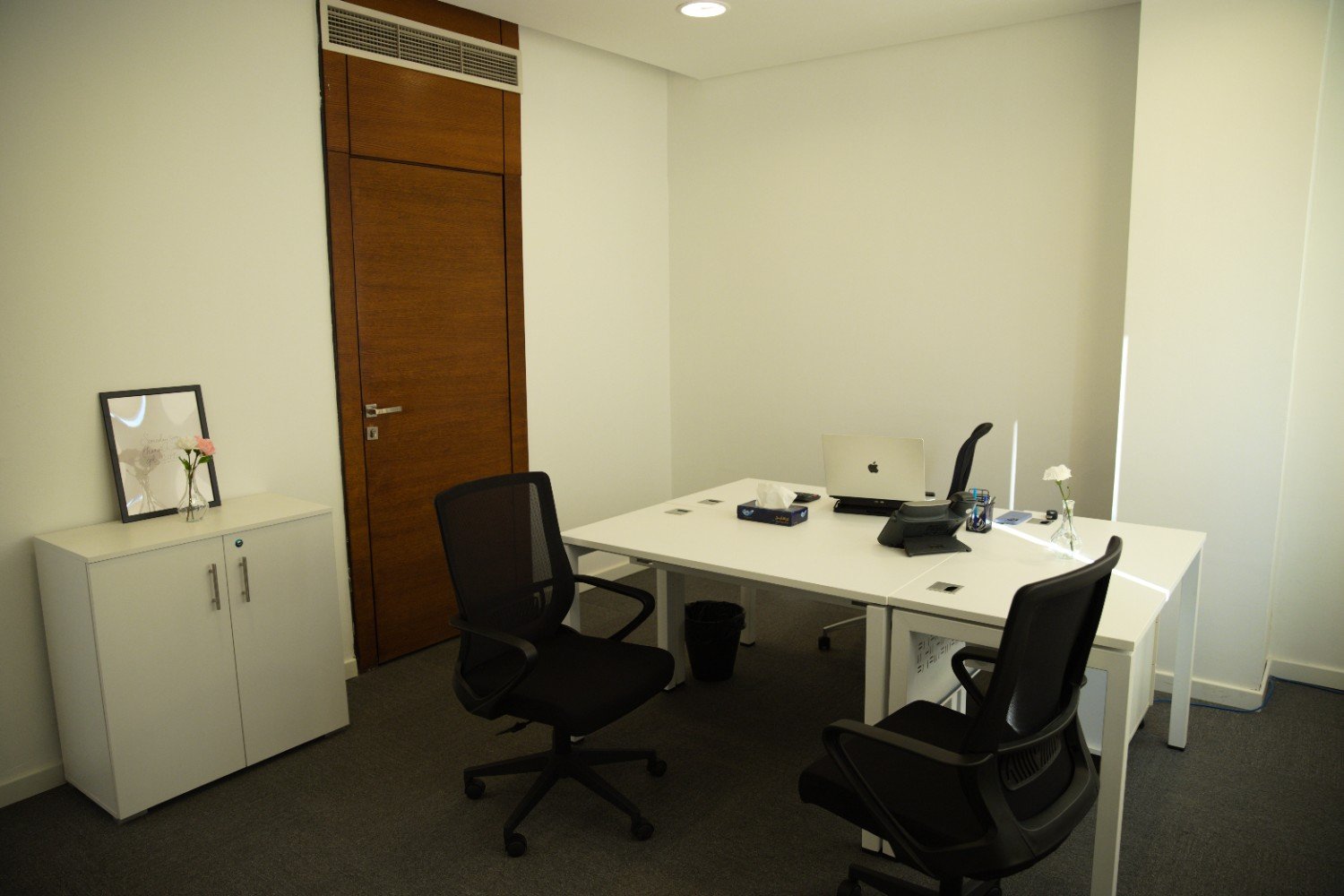
A productive workspace isn’t about the fanciest desk or the most expensive chair. It’s about creating conditions where your attention can stay on one task long enough to finish it. Most of us know the feeling of starting the day with a clear plan, then looking up hours later with a full inbox, a dozen open tabs, and very little real progress.
The good news is that focus at work isn’t a trait some people have and others don’t. It’s shaped largely by your environment and your routine: where you sit, how you structure your hours, and what you allow to interrupt you. In this guide, we’ll look at what makes a workspace truly productive, how to plan your day around deep work sessions, and which small habits protect your concentration. We’ll also cover how to choose a productive environment outside your home, and how a well-designed coworking space in New Cairo can make a better work routine easier to stick to.
What Makes a Workspace Truly Productive
A productive workspace isn’t just a tidy desk in a nice room. It’s an environment that helps you start working quickly and stay on task without constant friction. A few basics make the biggest difference: light, sound, comfort, and how well the space is organized.
- Good lighting keeps you alert: Bright, comfortable lighting makes it easier to read, write, and work on a screen for hours without tiring your eyes. Natural light is ideal, so a desk near a window can make the whole day feel lighter. If that isn’t possible, a well-placed lamp is better than harsh overhead lighting.
- Sound shapes your concentration: Constant background noise makes it hard to think clearly, especially when you’re working on something demanding. A productive environment separates quiet zones for focused tasks, livelier areas for conversation, and private rooms for calls and sensitive discussions.
- Comfort keeps your attention on the work: A supportive chair, a desk at the right height, and a screen at eye level may sound basic, but physical discomfort quietly pulls your attention away from the task. When your body is at ease, your mind has more energy for real work.
- Order and personal touches make the space work for you: A clear desk with only what you need reduces visual clutter and makes it easier to start. A plant or a few personal items can make the space feel more inviting, so you actually want to sit down and work.
- Good breaks matter as much as good desks: A comfortable lounge or café lets you step away, reset, and return with a clearer head. Taking short breaks in a pleasant setting helps you stay productive through the whole day.
No single feature makes a workspace productive. It’s the combination of these details that turns a place with a desk into one that helps you do your best work.
Deep Work: Structuring Your Day Around Focused Sessions
Deep work means giving your full attention to one demanding task without switching, checking messages, or getting pulled away. It’s where your most valuable work happens, whether that’s writing, planning, designing, coding, or analyzing. The problem is that a normal workday isn’t built for it. Meetings, messages, and quick requests fill the calendar first, and your important work gets whatever time is left over.
The fix is to flip that order. Instead of squeezing deep work into the gaps, build your day around it.
- Choose your peak hours: Most people have a stretch of the day when their mind feels sharpest. For many it’s the morning, but not for everyone. Notice when you naturally focus best and protect that window for your hardest task.
- Keep sessions realistic: A session of 60 to 90 minutes followed by a real break is a good starting point. If that feels too long, begin with 45 minutes and build up. One short, fully focused session beats a long one full of interruptions.
- Give each session one clear task: Decide before you start what you’re working on and what “done” looks like for this session. “Finish the first draft of the proposal” is much easier to focus on than “work on the proposal.”
- Batch the shallow work: Emails, messages, admin, and quick calls are better handled in set blocks, ideally after your focus sessions. This keeps them from leaking into your best hours.
A simple day built around focused sessions might look like this:
- Morning: Deep work session one, on your hardest task
- Mid-morning: A proper break, then messages and quick replies
- Late morning or early afternoon: Deep work session two
- Afternoon: Meetings, admin, and collaboration
- End of day: A short review, and a decision on what tomorrow’s first session will be
Deep work is easier when your surroundings support it. In a productive workspace, you don’t have to spend energy defending your attention, because the space itself makes it easier to settle in and stay there. Even the best schedule struggles when your concentration at work is interrupted every few minutes, so the setup around your sessions matters as much as the sessions themselves.
Simple Habits That Improve Focus at Work
Focus at work doesn’t come from willpower alone. It grows from small habits you repeat until they become automatic. You don’t need to change everything at once. Pick one or two of these and build from there.
- Plan tomorrow before you leave: Spend five minutes at the end of the day choosing the two or three things that matter most for the next day. You’ll start with a clear direction instead of wasting your first hour deciding what to do.
- Start with your hardest task: Your energy and patience are usually highest early in the day. Getting the difficult task done first also removes the pressure that makes it harder to concentrate later.
- Do one thing at a time: Switching between tasks feels productive, but it slows you down and makes mistakes more likely. Finish or pause a task properly before moving to the next.
- Take short, real breaks: Step away from your screen for a few minutes, stretch, or walk around. A proper break helps you return with a clearer head, while scrolling your phone doesn’t.
- Look after the basics: Drink water, eat something light, and move a little during the day. When your body is comfortable, it’s much easier for your mind to stay on the task.
- Use a simple start-of-day routine: Doing the same few things each morning, like tidying your desk and reviewing your list, signals to your brain that it’s time to work.
Habits like these work best when your environment supports them, which is exactly what the next section is about.
Reducing What Breaks Your Concentration at Work
Most lost focus isn’t a lack of discipline. It’s a steady stream of small interruptions, each one pulling your attention away and making it harder to get back. Removing even a few of them can change how much you get done.
- Silence notifications: Turn off alerts you don’t need, and keep your phone out of sight during focused work.
- Check messages on your schedule: Set a few times a day for email and chat instead of replying to every ping. Most messages can wait an hour.
- Close what you’re not using: Extra tabs and open apps compete for your attention. Keep only what the current task needs.
- Clear your desk: A cluttered surface keeps giving your eyes something else to think about.
- Manage noise and interruptions: Headphones can help, and so can letting colleagues know when you’re in a focus block. If your space is constantly noisy, a quieter zone will do more than any productivity trick.
You can control the distractions that come from your own setup. For the rest, the place you work matters, which brings us to choosing the right environment.
Choosing a Productive Environment Outside Home
Working from home works for some people, but it comes with built-in distractions: chores, family, a comfy couch, and no clear line between work and rest. Moving your work to a dedicated place can make focus easier, because the space itself tells your brain it’s time to work. Cafés, libraries, and coworking spaces are the usual options, and each has its trade-offs. Cafés can be noisy and unreliable for long sessions, and libraries are quiet but often limited when you need to take calls.
When you compare places, look for quiet areas for focused work, reliable internet and power, and comfortable seating with a proper desk. Private rooms for calls and meetings matter too, so you’re not stepping outside every time you need to talk. Finally, choose somewhere easy to reach, because a productive environment only helps if you actually show up. The right place removes small frictions so your energy goes into the work, and coworking spaces are built around exactly that.
Why Qdysk Offers a Productive Coworking Space in New Cairo
Qdysk is a coworking space in New Cairo designed to take the small frictions out of your workday. Fast internet, lockers, printers, food and beverage options, cleaning, and a community care team are already in place, so your energy goes into the work itself. It’s a productive environment built for professionals, startups, and business owners who want to focus.
Dedicated desks and private spaces for deep work
When you need long, uninterrupted sessions, a desk that’s always yours makes it easier to settle in and stay there. A dedicated desk gives you a consistent spot to leave your setup and start your deep work sessions without wasting time getting ready. If you need more privacy, Qdysk also offers private office spaces for individuals and teams.
Meeting rooms when focus needs privacy
Some tasks need a closed door: client calls, interviews, or team discussions. Instead of taking those in the middle of your workspace, book one of Qdysk’s meeting rooms. You get privacy for the conversation, and everyone else keeps their concentration.
Ready to see it for yourself? Contact Qdysk to book a visit or ask about the option that fits your routine.
FAQ
What makes a workspace productive?
A productive workspace combines good lighting, low noise, comfortable seating, and an organized desk. It also separates quiet areas for focused work from spaces for calls and conversation.
How long should a deep work session be?
A session of 60 to 90 minutes followed by a real break is a good starting point. If that feels too long, begin with 45 minutes and build up gradually.
How can I improve focus at work?
Start with small habits: plan tomorrow before you leave, do your hardest task first, and work on one thing at a time. Then reduce interruptions by silencing notifications and checking messages at set times.
Is a coworking space better than working from home for concentration?
For many people, yes. A dedicated place separates work from rest and removes household distractions, which makes concentration at work easier to protect.
What does Qdysk offer for focused work in New Cairo?
Qdysk is a coworking space in New Cairo with dedicated desks, private office spaces, and meeting rooms. Amenities like fast internet, lockers, printers, and a community care team help you settle in and focus.